Medical technology
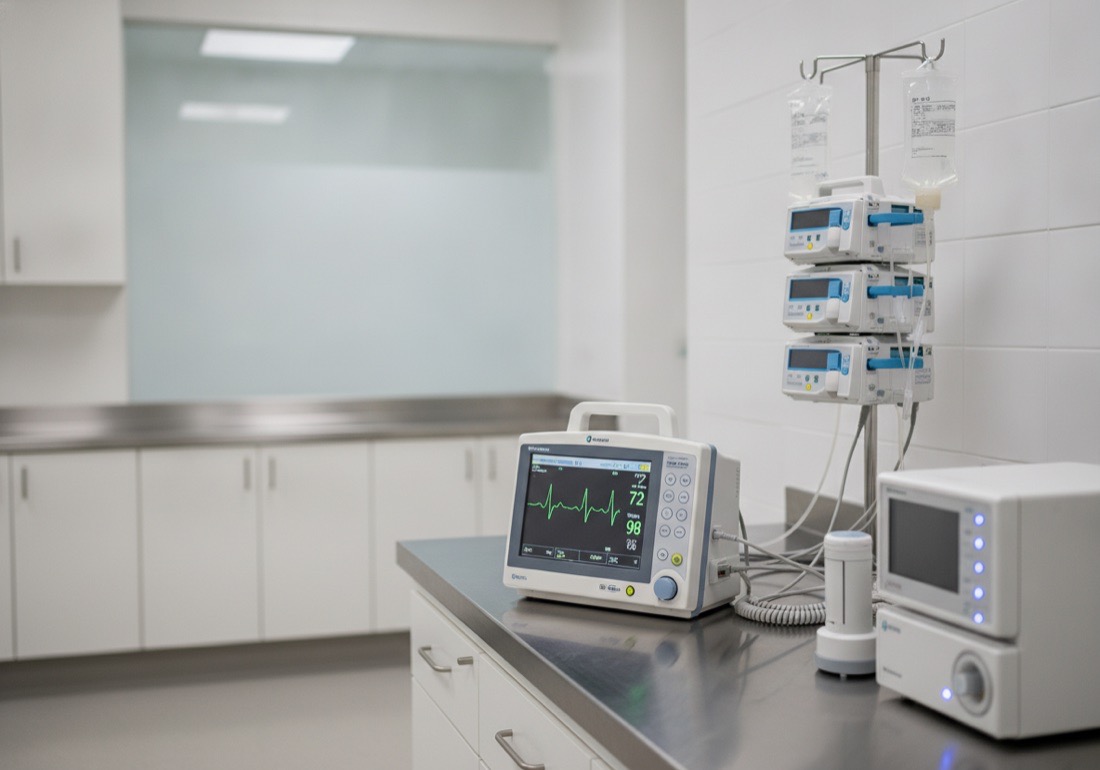
Medical technology covers the devices, instruments and systems used to detect, treat and monitor illness – from imaging diagnostics and laboratory equipment through surgical instruments and implants to consumables and the software that ties it all together. For you as an investor it is less a single product than a broad field that brings together engineering, regulation and healthcare. This page explains how to make sense of the theme – without any recommendations.
Why the theme matters in the DACH region
The German-speaking region has a long tradition in medical precision engineering and device manufacturing. Over decades a dense landscape of specialised Mittelstand companies has grown up, often focused on individual niches: a particular instrument, a diagnostic method, a component for larger systems. Many of these firms are strongly export-oriented and supply healthcare systems around the world. This combination of precise manufacturing, deep application knowledge and international reach explains why the field is comparatively well populated in the DACH region – well beyond the handful of large names people recognise. For smaller companies it also means they tend to compete through technical specialisation and long-standing customer relationships rather than sheer size.
What drives the theme
Several forces work together, without adding up to a guaranteed upward trend. First, demographics: an ageing population in the DACH region and in many target markets tends to increase demand for diagnostics, treatment and monitoring. Second, innovation: new procedures, minimally invasive techniques and better materials continually create demand for improved devices and instruments. Third, healthcare spending, which is rising over the long term in many countries but is at the same time under cost pressure. Fourth, the digitalisation of healthcare, such as connected devices, digital diagnostics and data-driven analysis. It is important to view these drivers soberly: they describe demand potential, not the earnings position of any individual company.
What to look at when you analyse it
With firms in this field it pays to look at a few recurring points. How do regulatory approvals stand – for example under the European Medical Device Regulation (MDR) or, for the US market, via the FDA? Such processes are demanding and help determine which products may even be sold. How well is the technology protected by patents and intellectual property? Is there an installed base of devices that generates recurring revenue through consumables, maintenance or service – an often underestimated, stabilising factor? And how closely do revenues depend on the reimbursement cycles of payers, that is, on whether and how a procedure is remunerated? Questions like these are best worked through systematically. Our 6-step process gives you a thread to follow, and the Toolkit provides tools to put figures and claims into context.
Risks & pitfalls
Medical technology looks crisis-proof at first glance, but it carries its own risks. The regulatory burden is high: the MDR has significantly tightened requirements for evidence, documentation and certification, which can weigh especially on smaller providers with limited resources. Heavy dependence on a single product or procedure is risky if an approval stalls, a patent expires or a competitor brings a better method. On top of this come potential product liability and litigation, which weigh particularly heavily for medical devices. And reimbursement by payers can change – if the remuneration for a procedure falls or disappears, demand can collapse regardless of how good the product is technically. Watch whether growth rests on a broad base or hangs on a few sensitive points.
This page is for educational purposes only. It deliberately names no specific companies or individuals, contains no buy or sell recommendation, no price targets and no investment advice. You make decisions independently and on the basis of your own research.