Energy efficiency
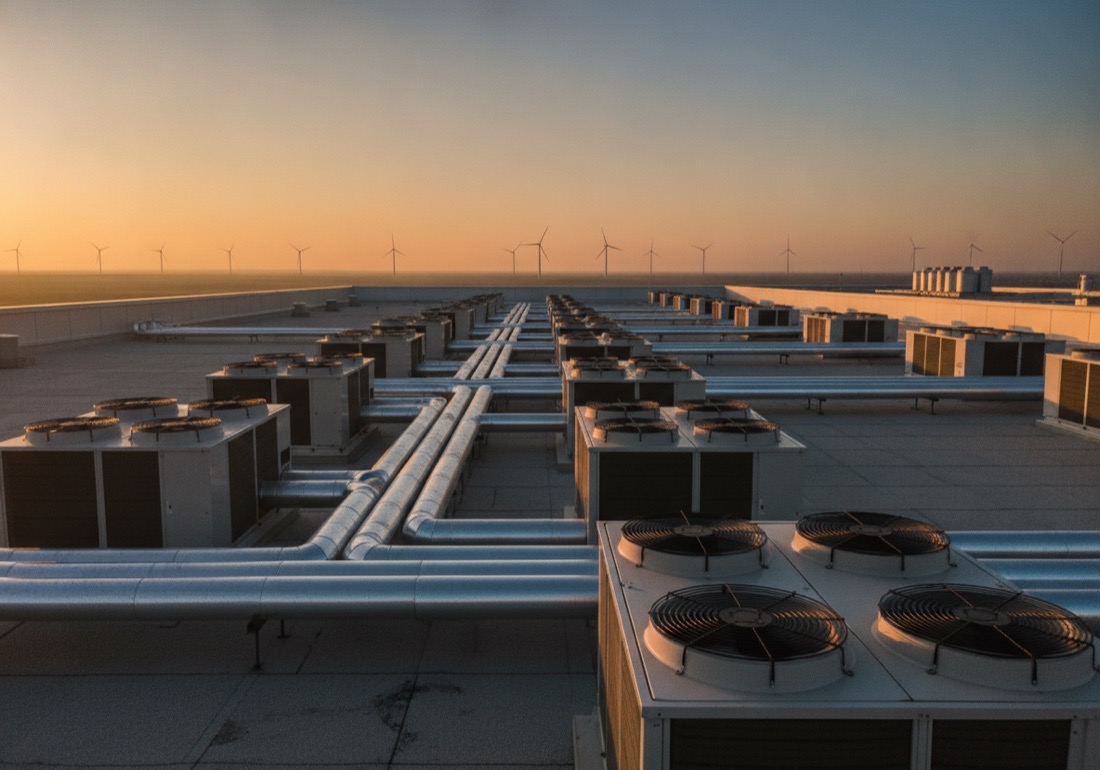
Energy efficiency covers all the technologies and services that deliver the same result with less energy – or that simply put energy to smarter use. This includes heat pumps, insulation and the energy-focused renovation of buildings, building and energy management systems, smart grids, and metering and control technology. For you as an investor it is less a single product than a cross-cutting theme that touches construction, industry, utilities, and software. This page explains how to frame the field – without any recommendations.
Why this matters in the DACH region
In the German-speaking region an aging building stock meets increasingly strict requirements. A large share of residential and non-residential buildings in Germany, Austria, and Switzerland dates from decades when energy standards played little role. Frameworks such as Germany's Building Energy Act (Gebäudeenergiegesetz, GEG) and overarching EU rules on the energy performance of buildings set the rules for how new construction and renovation must be done. At the same time, volatile and at times high energy prices have turned the question of how much energy a building or a process consumes from a side issue into a hard cost factor. It is precisely in this tension – regulation, existing stock, prices – that many smaller regional providers operate.
What drives the theme
Several forces work together, without adding up to a guaranteed upward trend. First, decarbonization: national and EU climate targets make more efficient buildings and processes one building block for cutting emissions. Second, EU rule-making, which through directives and their national implementation creates concrete requirements. Third, plain cost savings: cutting energy use lowers running costs – an argument that holds regardless of subsidies. Fourth, electrification, such as the switch from fossil heating to heat pumps, which increases demand for control, metering, and grid connection. It is important to view these drivers soberly: they describe demand potential, not the earnings situation of any single company.
What to look at in your analysis
With firms in this field, a few recurring points are worth examining. How dependent is the business on subsidies and regulation – that is, on political decisions that can change? What does the order backlog look like, and how reliably can it be converted into revenue? What margins remain once materials, wages, and competition are factored in? And how cyclical are the installation and renovation waves, which often track construction and economic cycles? Such questions are best structured systematically. Our 6-step process gives you a common thread, and the toolkit provides means to put figures and claims into context.
Risks & pitfalls
Efficiency themes look crisis-proof at first glance but carry their own risks. Dependence on subsidies is central: if programs are cut, delayed, or restructured, demand can drop sharply in the short term. Regulatory changes can cut both ways – stricter requirements create demand, but changed standards may render products or methods outdated. Another pitfall is overvaluing anything „green“: an appealing narrative is no substitute for solid numbers. Watch whether growth comes from genuine demand or from a one-off subsidy window, and whether the valuation prices in expectations that still have to be delivered.
This page is for educational purposes only. It deliberately names no specific companies or individuals, contains no buy or sell recommendation, no price targets, and no investment advice. You make your own decisions based on your own research.