Defence & suppliers
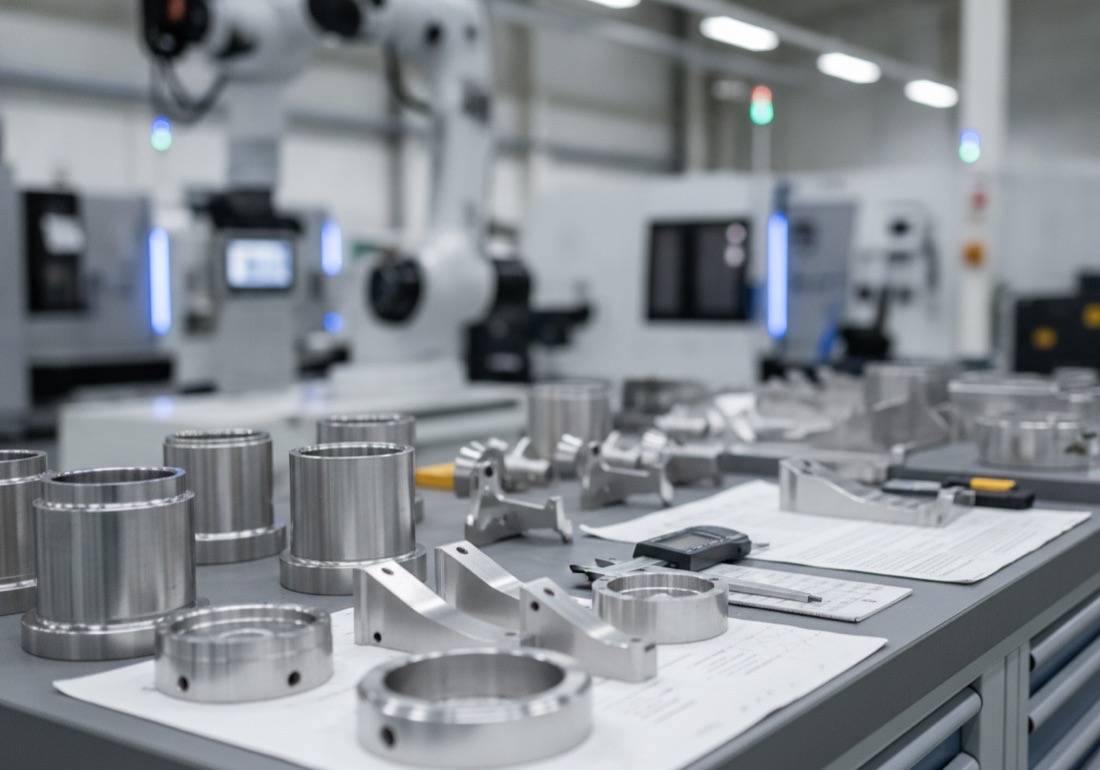
When people hear „defence", they usually picture finished systems first. As a small-cap topic, though, the focus is on something else: the suppliers and components further down the chain. Small and mid-sized firms across the DACH region deliver precision machining, electronics, sensors, specialty materials and assemblies to larger defence and aerospace contractors. This page explains the topic neutrally and from a supply-chain perspective — without naming any company, without price targets, and without glorifying the field.
Why this matters in the DACH region
Germany, Austria and Switzerland have a deeply layered industrial base: many specialised suppliers that produce precision parts, electronic assemblies, optical components and engineered materials. These same capabilities — tight tolerances, certifications, traceability — are what defence and aerospace supply chains need. In Europe, defence budgets have risen in recent years, and there is more discussion about local, resilient supply chains. For some smaller industrial suppliers this creates an additional market that often makes up only a slice of their business. As a topic, then, it is less „armaments" and more „specialised manufacturing that also serves this market".
What drives the topic
Several factors come up in this context — described neutrally here, not judged. First, the level of defence spending across NATO and EU states, planned through multi-year programmes. Second, replenishment and maintenance: existing equipment has to be serviced, replaced or modernised, which can create long-running demand for maintenance and spare parts. Third, the civil-military duality of many components: the same precision machining, sensors or electronics show up in aerospace, industry and defence alike. For suppliers, that means part of the demand stems from political budget decisions, and another part from ordinary civilian industrial cycles.
What to look at when you analyse
This topic rewards questions that are more specific than for purely civilian suppliers. How much does revenue depend on government contracts or on a few large prime contractors? How visible is the order book (backlog), and over what horizon does it reach? Defence programmes often have long cycles between tender, qualification and series delivery — predictable, but slow-moving. Also watch customer concentration, certifications as a barrier to entry, and how clearly the company itself separates civilian from defence-related business. For a structured way to work through such points, see the 6-step process . You'll find the matching metrics and checklists in the Toolkit .
Risks & pitfalls
The topic carries its own risks. Demand is partly political and budget-dependent: programmes can be delayed, cut or reallocated, often with long lead times and little influence for the supplier. There is also an ESG and ethics dimension — some investors and funds exclude defence-related business fully or in part, which can affect demand for such stocks and how they are perceived. Further pitfalls include high customer concentration, long lead and payment cycles, and dependence on a few large prime contractors that shape prices and terms. As with all small and micro caps, thin trading volumes and limited transparency add to this.